New Car Maintenance Checklist
Complete Guide for New Owners
A new car maintenance checklist gives clear steps from the first day. It keeps the car safe, reliable and valuable for the early years.
Buying a new car feels exciting, but new owners may also feel unsure. This guide keeps the first months and years simple, starting from day one.
Even a brand new car needs early care. Small checks stop small problems from growing. Early care also protects your money and the warranty. A new car maintenance checklist keeps everything in order so you do not forget tasks. This guide covers why early care matters, the first thirty days, the first service, warranty protection, alerts, resale value, technology care, first-year costs, records, common mistakes, good habits, a simple checklist, and when to call the dealer. The goal is calm and sure ownership from the start.
What Is a New Car Maintenance Checklist?
A new car maintenance checklist is a plain list of tasks for people who just bought a new vehicle. It covers the first days, weeks and early years of ownership in clear order. You can print it or save it on your phone and tick items as you finish them.
The purpose of a new car maintenance checklist is to help owners stay on track with important jobs. You mark services, inspections and paperwork so nothing gets lost. Many new owners feel unsure about the next steps after buying, and this list removes that doubt.
Care begins the moment you take the keys. The first weeks help set good ownership habits.
Preventive steps mean doing small things early so bigger repairs stay away.
The list helps you track every service, every inspection and every key task in one place. It becomes a quiet helper that sits behind your daily driving.
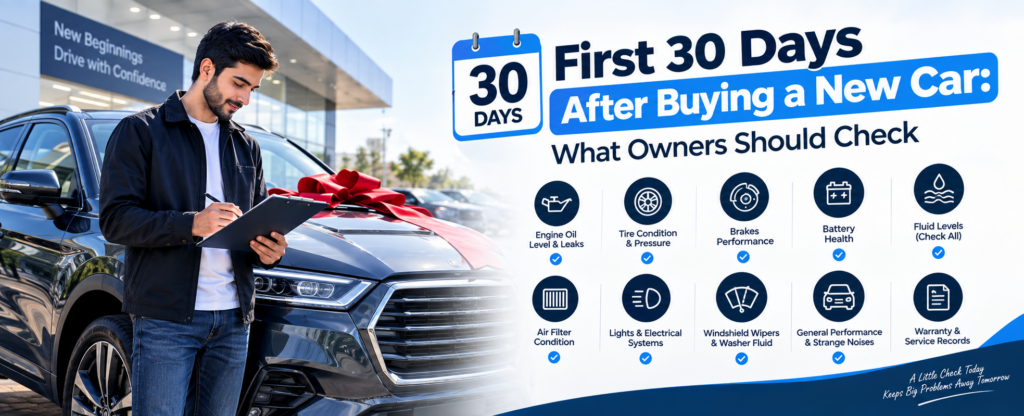
First 30 Days After Buying a New Car: What Owners Should Check
What Should Be Checked During the First Service?
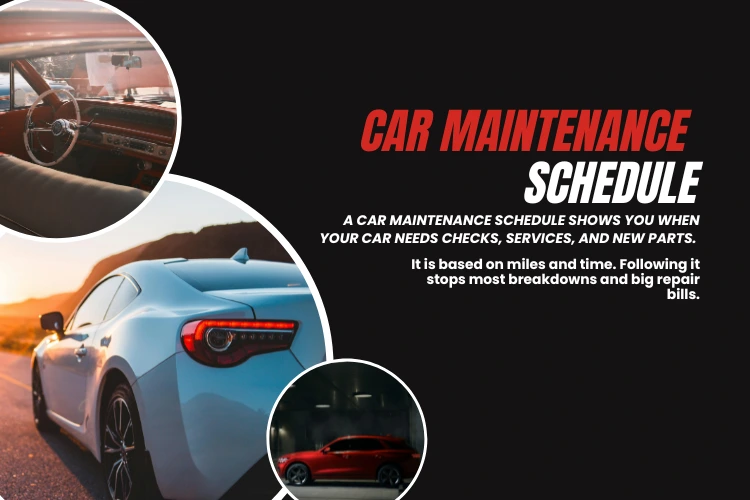
A car maintenance schedule can also help you understand when future inspections and services are due. Technicians examine the whole car carefully and look for anything that needs attention while the car is still new. They follow a set list made by the maker.
The first scheduled service may include an oil and filter change, inspections, fluid checks, or other tasks listed by the manufacturer. Some brands include this visit at no charge as part of the purchase package. Ask the dealer what is covered before you arrive.
Software and system updates often happen during this appointment. Modern cars receive small computer updates that improve features and fix minor issues.
Fluid inspections cover the oil, coolant, brake fluid and washer fluid levels. Technicians confirm everything sits at the correct mark and look for early signs of leaks.
Tire condition and alignment checks make sure the tires wear evenly from the start. They also confirm the car sits level and tracks straight.
Recall and safety campaign checks confirm the car has any needed safety updates. The dealer looks up your vehicle identification number and applies free corrections if any exist.
The technician reviews the vehicle according to the manufacturer’s service list and notes anything that needs attention.
Protecting Your New Car Warranty
Stay on the manufacturer recommended service schedule. Follow the times and miles listed in the book without skipping visits. Steady care shows you took the ownership role seriously.
Use your new car maintenance checklist to keep complete care and service records. Save every receipt and write down the date and the mileage each time work is done. A simple notebook or phone folder works well.
Use approved parts and recommended products. The right oil and filters help keep coverage intact and meet the terms of the warranty. The dealer can confirm the correct choices for your model.
Skip unauthorized changes that may affect coverage. Adding parts that change how the car runs can create problems with later claims and leave you without support. Stick to approved options if you want extra features.
Understanding Warning Alerts in a New Car
New owners need to understand vehicle warning alerts because the dashboard is the car talking to you. The lights and messages give early clues about what the car needs. Learning them removes fear and builds confidence.
Maintenance reminders differ from emergency warnings. A service light means to plan a visit soon. A red warning light means stop and get help right away. Knowing the difference helps you respond correctly.
Call the dealer or service center when any light stays on or when the car feels different from normal. Early contact often solves the issue before it grows. Most dealers welcome these calls from new owners.
Ignoring alerts can change the ownership experience for the worse. Small issues can grow and take away the fun of a new car if left alone too long. Quick action keeps the experience positive.
How to Maintain Your New Car’s Resale Value
A complete service history shows the next owner that the car received proper care. Clear records build trust and support a stronger selling price. Buyers often pay more for documented care.
Protect the exterior by washing the car regularly and parking in shade when possible. Clean paint and a dent-free exterior can help the car hold its value better. Simple habits protect the surface over the years.
Take care of the interior by keeping seats clean and avoiding heavy wear on screens and controls. Gentle use of the cabin features keeps everything looking fresh. Floor mats and careful loading help a lot.
Avoid excess wear and damage through gentle driving and careful loading. Soft acceleration and smooth stops reduce strain on many parts.
Keep ownership records organized so the sale goes smoothly and supports a higher price. A tidy folder of papers makes the handover easy for both sides. Future buyers appreciate the effort.
Technology Maintenance in Modern Cars
Modern cars need extra care for cameras, sensors, and driver-assist systems — here’s what to check.
Cars With Advanced Safety Features
Camera calibration keeps the systems that help you stay in lane or spot other cars working correctly. These systems rely on clear and accurate views. Any work on the windshield or front end may require a check.
Sensor inspections make sure the radar and other sensors stay clean and aimed properly. Dirt or small shifts can reduce how well they work. A quick visual look during washes helps.
Advanced driver help system checks confirm those features still work as designed after any service or glass work. Regular confirmation keeps the safety net strong. Ask the dealer to verify them during scheduled visits.
How Much Does New Car Maintenance Cost in the First Year?
Scheduled service costs cover the first oil change and inspection. Some makers include it free of charge as a welcome benefit. Confirm the details with your dealer early.
Warranty covered items mean many early repairs cost nothing if the problem is a factory issue. You pay only for items outside the coverage terms. Keep the warranty booklet handy for reference.
Registration and paperwork costs include plate, title fees and any local taxes. These one-time or yearly charges form part of the first-year budget. Plan for them when you calculate total ownership cost.
Accessories and protection products such as floor mats or paint protection are common optional choices in the first year. They add comfort and help preserve the car. Choose only what truly fits your needs.
Unexpected small costs can include extra keys, phone mounts or a first set of wiper blades. Setting aside a small buffer helps cover them without stress. Most new owners face a few of these items.
Why You Should Keep a New Car Maintenance Record
Clear records support warranty claims when you need them. Proof of care makes the process faster and smoother. Dealers and makers look for this documentation.
Strong records increase confidence for the next buyer. People feel safer purchasing a car with a full history. The effort pays off at sale time.
Tracking the history with a new car maintenance checklist helps you see what has already been done and what comes next. You plan future visits with less guesswork.
Good notes help future repairs and inspections move faster. Technicians spend less time searching for past work. They can focus on the current need.
Better planning lets you budget and schedule visits without surprises. You stay in control of both time and money. Ownership feels more predictable.
Common New Car Maintenance Mistakes
Skipping the warranty registration leaves you without full coverage. The process takes only a few minutes and protects you for years.
Losing service papers makes claims and resale harder. A simple folder prevents this common problem. Digital copies add extra safety.
Ignoring first service reminders can start a pattern of missed care. Mark the date early and treat it as important.
Making unauthorized changes risks warranty problems. Stick to approved options if you want to add features. Ask the dealer before any changes.
Missing recall notices means missing free safety updates. Check the maker website or ask the dealer regularly. These updates improve safety at no cost.
Thinking a new car needs no attention leads to early issues. Even the newest models benefit from the first checks. Care from day one pays off later.
Not learning the features and technology keeps you from using helpful tools. Spend time exploring the screens and buttons while parked. The car offers more value when you know its tools.
Simple Habits Every New Car Owner Should Follow
Look at dashboard alerts often so you catch messages early. A quick glance each time you start the car becomes a useful habit. It takes only a few seconds.
Keep the inside clean and protected to avoid stains and wear. Simple wiping and careful use of mats go a long way. Clean interiors feel better every day.
Use your new car maintenance checklist to follow service reminders so the car stays on schedule. Treat each reminder as a friendly nudge rather than a chore. Consistency builds long-term reliability.
Protect the paint and outside surfaces with regular washing. Clean surfaces resist damage better over time. A clean car also looks more inviting.
Watch the tire condition by checking pressure and tread. Proper pressure improves safety and fuel use. A monthly look is enough for most owners.
Keep important papers organized in one safe place. A dedicated folder or digital album makes everything easy to find. You will thank yourself later.
New Car First Year Ownership Checklist
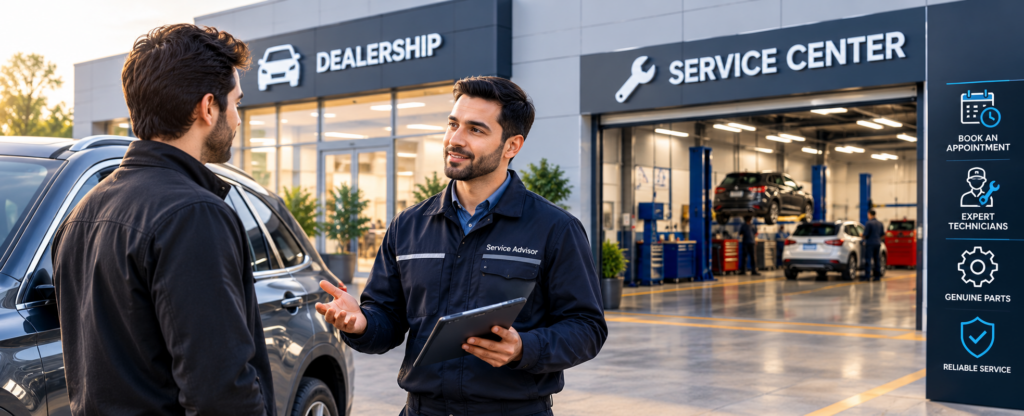
When Should You Contact Your Dealer or Service Center?
Conclusion
A new car maintenance checklist turns the first days and years into a calm, clear process. Start with the owner manual, register the warranty, finish the first service and keep simple records.
Watch the dashboard, learn the alerts and care for the outside and inside. These steps protect the warranty, keep the car safe and help it hold value.
Follow the checklist and your new car will feel good to drive for a long time.
If you bought a used vehicle instead, see our Used Car Maintenance Checklist for a different maintenance starting point.
Frequently Asked Questions
How often should a new car be serviced?
Follow the schedule in the owner manual. Many cars need the first service within the first few months or a set number of miles.
What maintenance does a new car need first?
The first service may include an oil change, inspections, fluid checks, software updates, or other tasks listed by the manufacturer.
How often should tires be rotated?
Many manufacturers recommend tire rotation at regular mileage intervals, often around 5,000 to 8,000 miles. Check your owner’s manual for the exact interval.
Can I maintain my new car myself?
Simple checks like tire pressure and cleaning are fine. Leave scheduled services and warranty work to the dealer or approved shop.
Does maintenance affect warranty?
Yes. Following the recommended schedule and keeping records helps protect coverage.
Should I follow mileage or time?
Use whichever comes first — mileage or time.
What is included in a new car service?
Oil and filter change, tire checks, fluid inspections, and a full look over the car.
How much does new car maintenance cost?
The first service is often free or low cost. Later visits vary by model and location.
Is a maintenance checklist necessary?
Yes. It helps new owners stay organized and avoid common mistakes.