
Car Maintenance & Driving Guides
Made Simple
Practical information on car maintenance, warning lights, OBD codes, and traffic rules—all in one place.
Warning lights
Understand common dashboard warning lights and what they may indicate.
OBD Codes
Learn what common OBD-II trouble codes mean and what to check.
Maintenance
Follow simple maintenance checks to keep your car running reliably.
Traffic Rules
Learn essential traffic rules, signs, and safe driving practices.
Car Maintenance Checklist: Guide to Keeping Your Vehicle in the Best Condition
A comprehensive car maintenance checklist includes daily, monthly, quarterly, semi-annual, and annual checks for everything from tire pressure and fluid levels to brakes, filters, and thorough inspections. Following a regular maintenance schedule can help prevent costly repairs and potentially save you thousands of dollars over the life of your vehicle, while routine maintenance may cost only a few hundred dollars a year.
Knowing what to check and when is more important for maintaining your car’s safety and reliability than trying to do everything at once. Owning a car is more expensive than ever, and the difference between keeping up with regular maintenance and facing a major repair bill can be significant. This guide explains what needs to be checked, how often it should be checked, and how much maintenance may cost in 2026, so you can create a maintenance schedule that fits your car, driving habits, and budget.
Why Is a Car Maintenance Checklist Important?
A maintenance checklist turns vague good intentions, such as “I should probably get that checked,” into a specific and repeatable routine. Without one, small problems can gradually turn into expensive repairs, while important safety issues may go unnoticed until something fails at the worst possible time.

Prevent Costly Repairs
Small, inexpensive solutions can address issues before they grow into larger and more costly problems. A neglected engine can be far more expensive to repair than routine services such as an oil change or cabin air filter replacement. With auto maintenance and repair costs increasing, detecting problems early is more important than ever.
Improve Safety
Brakes, tires, and steering components directly affect whether a car stops and turns as it should. Keeping these systems properly maintained helps ensure that essential safety components continue to work as intended.
Increase Vehicle Lifespan
Regular maintenance can extend a car’s usable life. Components such as the engine, transmission, suspension, and cooling system can last longer when fluids are changed on schedule, filters are replaced, and minor wear is addressed early.
Maintain Resale Value
Proper maintenance can help preserve a vehicle’s condition and resale value. Cars are staying on the road longer, but neglect can accelerate wear and deterioration across many important systems.
Improve Fuel Efficiency
Worn spark plugs, dirty air filters, and underinflated tires can make an engine work harder than necessary, gradually increasing fuel consumption. Keeping these components in good condition can help maintain fuel efficiency and reduce unnecessary fuel costs.
Complete Car Maintenance Checklist
Not every task requires the same level of focus. While some items only require repair once a year, others should be looked at each time you get in the car. The entire procedure is far less daunting when maintenance is divided into daily, monthly, quarterly, semi-annual, and annual buckets.
Daily Car Maintenance Checks
These quick checks take only a few seconds and can help you spot changes before they become bigger issues.
Warning Lights
Every time you start the car, take a quick look at the dashboard. A new warning light can be an early sign of a problem.
Tire Condition
Before leaving the driveway, quickly inspect the tires for visible low pressure, bulges, or embedded debris.
Fluid Leaks
Examine the pavement where the vehicle was parked. Puddles or spots may indicate coolant, oil, or transmission-fluid leaks.
Unusual Noises
Look into squealing, grinding, knocking, or clunking sounds rather than ignoring them.
Dashboard Alerts
Pay attention to notifications about tire pressure, oil life, or other system issues in addition to warning lights.
Monthly Car Maintenance Checklist
Choose a regular day each month, such as the first weekend, for a slightly deeper check.
Tire Pressure
Use a tire-pressure gauge rather than guessing. Pressure can change with temperature and gradually decrease over several weeks.
Engine Oil Level
Check the engine oil with the dipstick and make sure the level falls between the marked indicators.
Coolant Level
When the engine is cold, check the coolant reservoir. Low coolant can contribute to overheating.
Windshield Washer Fluid
Check the washer-fluid level and top it up when necessary to maintain clear visibility in poor weather.
Exterior Lights
Check the headlights, brake lights, turn signals, and hazard lights by walking around the vehicle or having someone verify them.
Windshield Wipers
Look for cracking, splitting, or streaking that could indicate the wiper blades need replacement.
Every 3 Months Car Maintenance Checklist
Oil Inspection
Especially on older cars, check the oil level and condition even between scheduled oil changes.
Battery Condition
Make sure the battery connections are tight and check the terminals for signs of corrosion.
Brake Inspection
Pay attention to changes in stopping distance or pedal feel, and listen for unusual squealing or other brake noises.
Tire Rotation
Rotating tires every 5,000–7,500 miles can help promote even wear and extend the life of the tire set. Follow your vehicle manufacturer’s schedule where it differs.
Air Filter
Inspect the engine air filter. A dirty filter can restrict airflow and may reduce fuel efficiency.
Every 6 Months Maintenance Checklist
Braking System Inspection
Ideally, have a technician examine the brake fluid, rotors, and pads in greater detail.
Suspension Check
Worn shocks or struts may contribute to bouncing, uneven tire wear, or a harsher ride.
Cabin Air Filter
Inspect or replace the cabin air filter when needed to help maintain clean air and proper HVAC airflow.
Battery Testing
A battery load test can help identify a weakening battery before it leaves you stranded.
Fluid Inspection
Examine the levels and condition of transmission, power-steering, and brake fluids where applicable.
Annual Car Maintenance Checklist
Complete Car Inspection
Have the vehicle thoroughly examined from top to bottom, often as part of a scheduled maintenance visit.
Oil Change
For many drivers, an annual oil check and service is a sensible minimum, even when using extended-life synthetic oil. Always follow the manufacturer’s interval.
Tire Alignment
Check wheel alignment when needed to help preserve tire life and keep the vehicle tracking straight. A yearly check can be useful, especially if wear or handling changes are noticed.
Brake Service
Depending on wear, the vehicle may need a more comprehensive brake inspection or replacement of pads and rotors.
Engine Inspection
Check age-related wear on components such as belts, hoses, and spark plugs according to the vehicle’s maintenance schedule.
AC System Check
Check cooling performance and refrigerant levels where applicable before periods of hot weather.
Following Your Vehicle Manufacturer’s Maintenance Guidelines
Although each of the aforementioned checklists provides a good general framework, they are still generic. A one-size-fits-all schedule should never take precedence over your owner’s manual, which is specifically prepared for your engine, drivetrain, and the driving conditions your manufacturer expects.
Why the owner’s manual is important: It provides specific technical recommendations for oil viscosity, filter types, replacement intervals, and component tolerances that a general checklist cannot take into account.
Why maintenance requirements vary by vehicle: Manufacturers specify different maintenance intervals for heavy-duty trucks, turbocharged engines, and hybrid drivetrains because these vehicles place different demands on their components.
See our comprehensive Car Maintenance Schedule guide for specific mileage intervals and a detailed service schedule for your particular vehicle.
High Mileage Car Maintenance Checklist
After a vehicle reaches between 75,000 and 100,000 miles, some parts go from “check occasionally” to “watch closely.” Beyond the typical checklist, high-mileage vehicles benefit from a few additional points of attention:
Understanding Manufacturer Recommended Maintenance Guidelines
It’s important to remember that manufacturer guidelines have a specific purpose and should not be confused with general advice found online. The same component can have significantly different service intervals in similarly priced vehicles from different brands.
Manufacturer recommendations are important:
These intervals are not based on a general industry average. They are based on how a particular engine and drivetrain were designed to operate under typical conditions. Following the recommended schedule can help you maintain the vehicle as intended and avoid unnecessary service.
Your owner’s manual is the most reliable source for understanding what your specific vehicle requires. Following its maintenance recommendations can also help protect warranty coverage where applicable.
For specific mileage milestones, including 5,000, 30,000, 60,000 miles and beyond, see our Car Maintenance Schedule article.
Essential Car Maintenance Things Every Driver Should Check
If time is limited, these three checks provide some of the most important safety and reliability benefits with relatively little effort.
Check the Oil Level
Low engine oil is one of the quickest ways to cause serious and costly engine damage. Check the oil level regularly and follow your vehicle manufacturer’s recommendations.
Watch for Brake Wear
Squealing, grinding, or a soft brake pedal can indicate that the brakes need attention. Have unusual brake symptoms checked promptly rather than putting them off.
Examine Tire Condition
Tread depth, sidewall damage, and tire pressure directly affect a car’s ability to handle and stop safely. Check your tires regularly for visible damage and proper inflation.
Warning Signs Your Car Needs Maintenance
Cars are generally good at telling you when something is wrong—the trick is not tuning out the signal. Recognizing unusual changes early can help you identify maintenance problems before they become more serious.
Check Engine Light Appears
The check engine light indicates that something outside normal operating conditions has been detected by the car’s computer. It is a general alert rather than a specific diagnosis. The only way to determine whether the problem is a minor sensor issue or something more serious is to read the diagnostic code. In the United States, repairs related to a check engine light can cost several hundred dollars, but delaying diagnosis can allow a minor problem to become more expensive.
Strange Engine Noises
Sounds such as knocking, ticking, or grinding can indicate mechanical wear or problems such as a failing belt or low oil pressure. These noises rarely resolve themselves, and continuing to ignore them can allow the underlying problem to become more serious and costly.
Fluid Leaks Under the Vehicle
A puddle under a parked car is one of the clearest early warning signs available. Color can provide a clue: greenish or orange fluid may indicate coolant, dark brown or black fluid is often associated with engine oil, while clear, oily red fluid may indicate transmission or power steering fluid.
Reduced Fuel Efficiency
A sudden drop in miles per gallon can sometimes be traced to something relatively simple, such as underinflated tires, a clogged air filter, or worn spark plugs. These problems can make the engine work harder than necessary to produce the same output.
Car Vibrations While Driving
Vibrations felt through the steering wheel or seat can point to anything from an imbalanced tire to worn suspension components or brake rotor problems. It is worth having the cause identified soon, since some problems can worsen with continued driving.
Burning Smell From the Engine
A burning smell can signal that something is overheating or leaking onto hot components. Common causes include oil or coolant reaching the exhaust, a slipping serpentine belt, burning clutch material in manual transmissions, or an electrical problem. Never ignore a strong burning odor—pull over safely and have the vehicle inspected promptly.
Seasonal Car Maintenance Checklist
Weather exerts extremely varying stress on a vehicle depending on the time of year, which is why seasonal prep matters as much as mileage-based servicing.
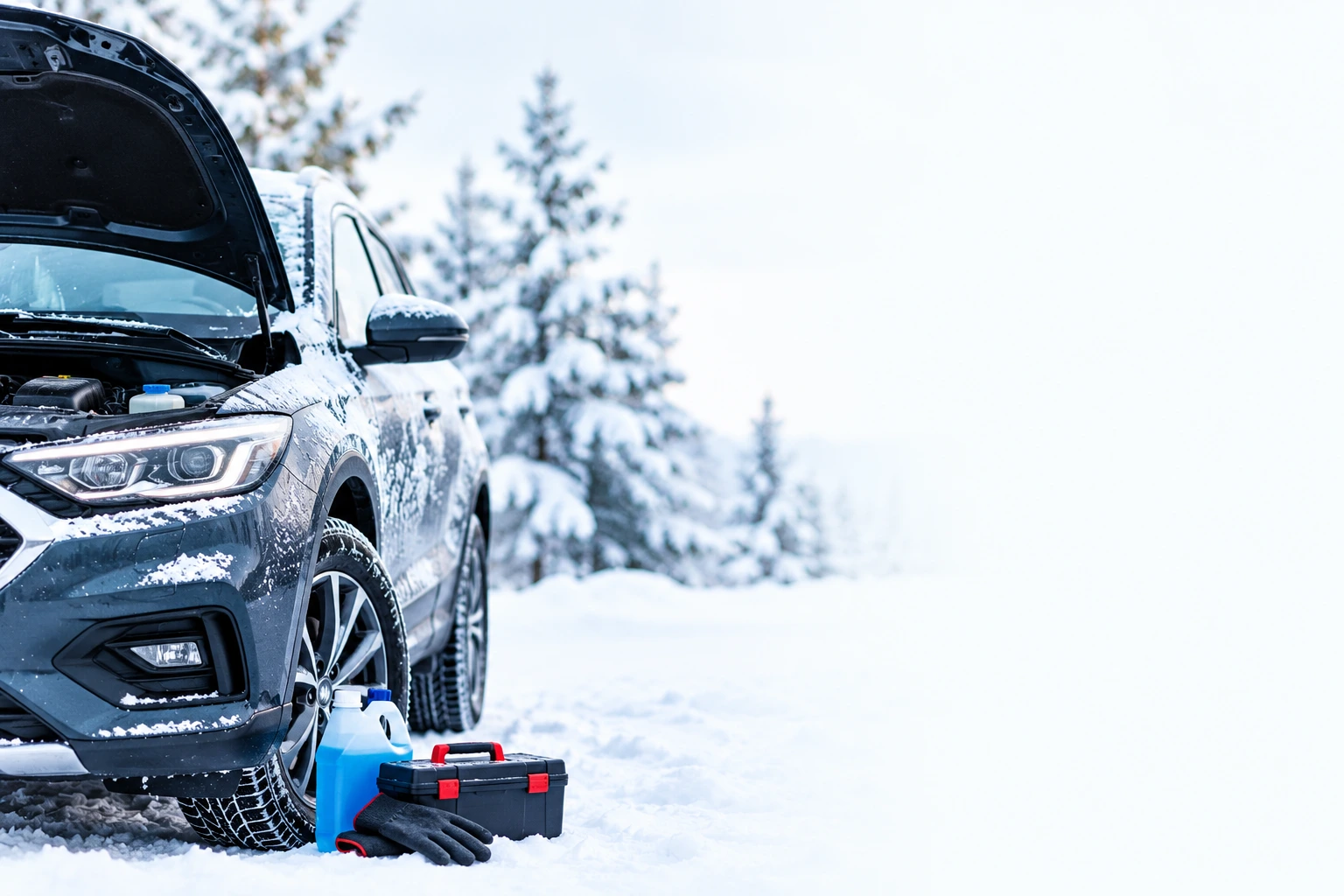 01
Winter
Winter Car Maintenance Checklist
 02
Summer
Summer Car Maintenance Checklist
 03
Rainy Season
Rainy Season Car Maintenance Checklist
Road Trip Car Maintenance Checklist
A thorough pre-trip inspection before any lengthy drive identifies the problems that are most likely to become roadside hazards hundreds of miles away from home.
Prior to lengthy travels, make sure:
Car Maintenance Checklist by Vehicle Brand
The frequency of maintenance and typical problems differ significantly between manufacturers. Quick starting points are provided below, along with links to complete brand-specific checklists for further information.
Toyota Checklist for Maintenance
Renowned for its high dependability and extended service intervals. For model-specific intervals, refer to the complete Toyota Maintenance Checklist.
View Toyota ChecklistChecklist for Honda Maintenance
Depending on the driving circumstances, Honda’s maintenance minder system modifies intervals. For more information, view the complete Honda Maintenance Checklist.
View Honda ChecklistChecklist for Ford Maintenance
Every vehicle in Ford’s lineup, from little automobiles to large trucks, has different maintenance requirements. View the complete Ford Maintenance Checklist.
View Ford ChecklistChecklist for BMW Maintenance
Because BMW uses condition-based servicing, intervals can change depending on how you drive. Details can be found in the complete BMW Maintenance Checklist.
View BMW ChecklistChecklist for Tesla Maintenance
Tesla maintenance differs greatly from that of a conventional gas vehicle since there is no need to worry about engine oil or spark plugs. View the complete Tesla Maintenance Checklist.
View Tesla ChecklistChecklist for Kia Maintenance
Because of Kia’s extensive warranty coverage, adhering to the manufacturer’s timetable is crucial. View the complete Kia Maintenance Checklist.
View Kia ChecklistElectric Vehicle Maintenance Checklist
EVs eliminate entire maintenance categories, such as oil changes, spark plug replacements, transmission fluid services, and exhaust system maintenance, but they still require routine care. The maintenance list is much shorter, with about 20–25 moving parts compared with roughly 2,000 in a conventional gas engine, although some areas still require regular attention.
- Battery health: The smaller 12-volt auxiliary battery still needs periodic replacement, usually every few years, and could leave a vehicle stranded if neglected. The primary traction battery typically requires little more than following the manufacturer’s charging and maintenance recommendations.
- Software updates: It’s important to keep the vehicle’s software up to date because many EVs receive over-the-air updates that can affect safety, range, and performance.
- Tire maintenance: Because EVs are generally heavier than comparable gas-powered vehicles due to the weight of their batteries, their tires can wear more quickly. Regular tire rotation and wheel alignment are therefore especially important.
- Regenerative braking: Although the braking system still requires regular servicing, regenerative braking reduces wear on the physical brake pads, allowing them to last much longer than those on a typical gas-powered vehicle.
- Cooling system: EV battery packs use thermal management systems to maintain an optimal temperature range, and these systems require periodic inspection.
Because there are simply fewer components subject to wear, government and industry data consistently show that EVs can cost around 40–50% less to maintain annually than comparable gas-powered vehicles.
Common Car Problems Prevented by Regular Maintenance
Most of the vehicle problems drivers dread are avoidable or at least far less likely with consistent upkeep.
Engine Overheating
A significant portion of car failures are caused by cooling-system problems, with insufficient coolant being the most frequent root cause. The majority of overheating concerns are identified before they cause a vehicle to become stranded by routinely checking coolant levels and having hoses, the thermostat, and the water pump examined.
Battery Failure
According to certain breakdown data, battery difficulties constantly score higher than flat tires, engine problems, and fuel system problems combined as the most frequent cause of roadside breakdowns. Although cold weather typically destroys a cell that was already deteriorating, heat is actually the greater long-term stressor on batteries. A failing battery is detected by routine load testing before it strands a person.
Poor Fuel Economy
Worn spark plugs, a clogged air filter, and underinflated tires are among the most common—and least expensive—causes of declining fuel efficiency. Addressing them often delivers one of the best returns on maintenance investment.
Brake Problems
Brake pads wear down gradually and predictably. Regular inspections catch pad wear before it reaches the rotors, preventing much more expensive repairs. Signs that brakes need attention include squealing, grinding, a soft or spongy pedal, longer stopping distances, or the car pulling to one side when braking.
AC Failure
As refrigerant levels fall or parts deteriorate, AC systems gradually lose efficiency. If a system is not evaluated until it completely fails, the repair will typically be more expensive than if it is detected early.
DIY Car Maintenance Tasks You Can Do Yourself
Nearly half of car owners now perform at least some basic maintenance themselves, a significant increase from roughly a third just a few years ago. DIY car care has expanded significantly. These are the jobs that provide the best balance of real savings and low risk:
Essential Car Maintenance Tools Every Driver Should Have
Most simple checks and roadside problems can be handled with a modest, low-cost toolkit:
The quickest method for identifying a slow leak before it becomes a flat.
One of the most helpful things to have in every car is a cable, as battery failure is the most common source of malfunctions.
A simple code reader converts an enigmatic check engine light into a real, useful response.
Good for looking beneath the hood in low light and for roadside emergencies.
The majority of minor roadside repairs may be completed with a minimal kit that includes gloves, a first aid kit, and basic hand tools.
Professional Car Maintenance vs DIY Maintenance
Neither approach is right for everything—the smartest routine usually blends both.
DIY Maintenance
Saves money: By doing their own basic upkeep and repairs, do-it-yourselfers report saving over $1,000 annually on average.
Ideal for routine: Inspections such as tire pressure, filters, wipers, and fluid levels.
Professional Maintenance
More appropriate for sophisticated diagnostics that need specific tools for accurate interpretation.
Required for inspections that are vital to safety, such as a complete braking system service.
The best option for intricate repairs involving engines, transmissions, or electrical work where errors could be harmful or expensive.
How Much Does Regular Car Maintenance Cost?
Costs vary by vehicle, region, and shop, but industry data gives a reliable general picture for 2026. Service Average Cost Range:
When combined, the average driver spends between $800 and $900 annually on minor repairs and normal maintenance. However, the expenses are significantly greater for luxury or high- performance vehicles and significantly lower for dependable, affordable models, frequently around $500 annually.
What Happens If You Ignore Car Maintenance?
Rarely does neglecting maintenance result in long-term cost savings; instead, the expense is just postponed with interest.
Costly Repairs
Ignoring a $95 filter or a $164 oil change for an extended period of time frequently results in a repair that costs ten times as much since minor problems often cause damage to nearby components.
Decreased Security
A car’s capacity to avoid an accident is directly reduced by worn brakes, bald tires, and malfunctioning lights; also, cars with unresolved maintenance issues are significantly more likely to be involved in an accident.
Reduced Fuel Economy
Fuel economy is silently depleted by neglected spark plugs, tires, and filters, adding a constant, undetectable expense to each gas tank.
Shorter Vehicle Lifespan
Deferred maintenance accelerates wear across nearly every system, cutting years off a car’s usable life and lowering its resale value along the way.
Car Maintenance Mistakes Drivers Should Avoid
Neglecting Warning Lights !
Nowadays, a sizable portion of drivers think that postponed maintenance has no practical impact on driving. However, a lit warning light indicates that the car is actively alerting you to a real, discovered problem rather than a false alarm.
Ignoring Oil Changes !
One of the most dependable ways to reduce an engine’s lifespan is to routinely skip maintenance. Old, deteriorated oil loses its capacity to preserve engine components.
Using Low Tire Pressure While Driving !
Tires that are underinflated wear unevenly, reduce fuel efficiency, and raise the possibility of a blowout—all from an issue that can be checked and fixed in a matter of seconds.
Postponing Brake Repairs !
Brake problems seldom go better on their own, and if repairs are put off, pad wear usually gets to the rotors, making a minor repair much more costly.
Following Generic Schedules Instead of Manufacturer Guidelines
Many modern cars can comfortably go 10,000 miles or more between oil changes when using full synthetic oil, making outdated recommendations such as the traditional “every 3,000 miles” oil-change rule less relevant for many vehicles. Your owner’s manual should always be the final authority rather than a generic maintenance guideline.
Download Printable Car Maintenance Checklist
To make staying on schedule easier, this guide is available as a set of printable checklists:
- Monthly inspection checklist
- Seasonal maintenance checklist
- Warning sign checklist
- Basic service reminders
Conclusion
Owning a car is made easier and unforeseen issues are avoided with a proper car maintenance checklist. Your car will remain dependable and safe for many years with routine maintenance, prompt repairs, and manufacturer recommendations. Drivers who stay ahead of minor problems are usually the ones who avoid larger, more costly repairs, whether they take care of their vehicle themselves or rely on a reliable shop.