Car Maintenance Schedule: Complete Service Timeline by Mileage and Time
A car maintenance schedule shows you when your car needs checks, services, and new parts. It is based on miles and time. Following it stops most breakdowns and big repair bills.
Looking after your car should feel easy. A good maintenance schedule is simply a clear plan that shows you when to change the oil, rotate the tires, check the brakes, and replace filters. Following it helps you avoid most big repair bills. This guide explains everything in plain words so you can easily follow the right timeline for your car.
Most people know they should change the oil and look at the tires. But many still feel unsure about the exact right time. That is why writing down a schedule helps a lot. It takes away the guessing. You just check the odometer or the calendar, see what is due, and do it. Over the years this small habit saves money, keeps the car safer, and also protects its value if you want to sell it one day.
What Is a Car Maintenance Schedule?
A car maintenance schedule is a simple timeline that tells you when different parts of your vehicle need care. It is based on the number of miles you have driven or the number of months that have passed or both. The schedule lists jobs such as oil changes, tire rotations, brake checks, filter changes, and fluid services. It also shows the points when those jobs should happen.
A maintenance checklist is different. A checklist is only a list of things to look at or service. The schedule adds the important part of timing. Timing matters because some parts wear out mainly from driving. Other parts break down just because time passes. Oil can pick up moisture and dirt even when the car sits. Batteries slowly lose power. Rubber hoses and belts become hard and crack. Brake fluid takes in water from the air. If you wait only for a problem to show up, the repair usually costs more than the regular service would have cost.
Tasks + Timing
Shows what needs to be serviced and when it should happen based on mileage, time, or the vehicle’s condition.
Tasks Only
Lists the items to inspect or service but does not necessarily tell you the right mileage or time for each task.
There are four common ways people set up a car maintenance schedule.
Factory Recommended Schedule
This is the list the car maker puts in the owner’s manual.
Mileage Based Schedule
These are services that happen after a certain number of miles.
Time Based Schedule
These are services that happen after a certain number of months or years even if the car has not been driven much.
Condition Based Maintenance
These are systems in newer cars that use sensors and computers to tell you when something needs attention.
The simplest approach is to use all four together. Start with the factory list. Watch both the miles and the calendar. You should also listen to any alerts the car gives you.
Factory Maintenance Schedule vs Recommended Maintenance Schedule
In the next sections you will see the difference between the official factory plan and what a mechanic might suggest based on real driving. This helps you know when to follow the book and when a small change makes sense.
Factory Maintenance Schedule
The factory schedule is the official list made by the company that built your car. You will find it in the owner’s manual. Many brands also put it online. The intervals are written for what the maker calls normal driving.
Following this schedule helps keep any remaining warranty valid. It also creates a clear service history. When someone looks at the car later, that history shows the vehicle was cared for properly.
Many makers also publish a severe service schedule. This version shortens some intervals for harder driving conditions.
Mechanic Recommended Maintenance Schedule
A good mechanic looks at how you really drive and may change the factory plan a bit. Things like the roads you use, the age of your car, the weather in your area, and your daily habits all matter.
City traffic, short trips, towing, extreme heat or cold, and dusty roads make parts wear out faster. In these cases the mechanic may recommend earlier oil changes, more fluid checks, or extra attention to the brakes and suspension.
The goal is to keep the car reliable without doing extra work that is not needed.
Use the factory schedule as your starting point. Driving conditions can then help determine whether certain services need to happen sooner. A good maintenance plan should fit both the vehicle and the way it is actually used.
Understanding Car Maintenance Intervals
Below you will learn the three main ways services are timed. One is by miles driven. One is by calendar time. One is by the car’s own sensors. Knowing these helps you decide which limit to follow when they do not match.
Mileage Based Maintenance
Mileage based services happen because of the distance the car has traveled. The more miles you put on the vehicle the more wear builds up on oil, tires, brakes, filters, and other moving parts. Common examples many drivers see include these.
These numbers are general. Newer cars that use full synthetic oil and have oil life monitors can often go longer between oil changes. Always check the exact numbers in your owner’s manual because they can be different for each brand and model.
Time Based Maintenance
Some parts age even when the car is driven very little. Oil slowly takes in moisture and fuel vapors. Batteries lose strength over the years. Brake fluid takes in water from the air. This lowers its boiling point and can cause rust inside the brake system. Coolant additives also break down over time.
Because of this many services have a time limit as well as a mileage limit. Oil should usually be changed at least once a year. Batteries are often tested every year after the third year and replaced every three to five years. Brake fluid and coolant commonly need attention every two to five years depending on the type used. If you drive only a few thousand miles a year the calendar becomes more important than the odometer.
Condition Based Maintenance
Modern cars have sensors and computers that watch how the vehicle is actually being used. Oil life monitoring systems figure out how much life is left in the oil based on engine temperature, load, and the length of trips. Brake pad wear sensors can turn on a warning light when the pads get thin. Tire pressure monitors alert you when a tire is low. These systems let the car tell you when service is due instead of relying only on fixed numbers. Condition based maintenance reduces work that is not needed while still catching problems early.
Car Maintenance Schedule for Severe Driving Conditions
The next parts explain how short trips, extreme weather, and heavy loads change the normal schedule. Most drivers will recognize at least one of these conditions in their daily driving.
Short Distance and City Driving
Frequent short trips under five or ten miles, heavy stop-and-go traffic, and constant starting and stopping put extra stress on the engine and oil. The engine never fully warms up on many of these trips. Moisture and unburned fuel collect in the oil. Brakes work harder because of all the stopping. The battery is asked to start the engine more often.
Maintenance response: In this kind of driving, oil changes and fluid checks usually need to happen more often than the normal schedule suggests.
Extreme Weather Conditions
Very hot weather makes fluids break down faster and forces the cooling system to work harder. Very cold weather makes the oil thicker, makes the battery work harder, and can cause moisture inside the engine. Places that use road salt in winter see faster rust on underbody parts, brake lines, and suspension parts.
Maintenance response: In any of these conditions, it is smart to check more often and fix small issues before they grow.
Heavy Loads and Towing
Trucks and SUVs that regularly tow trailers or carry heavy loads put extra heat and stress on the transmission, cooling system, brakes, and suspension. Transmission fluid, differential fluid, and brake checks should usually happen sooner when the vehicle is used this way.
Maintenance response: The owner’s manual almost always has a separate severe schedule for towing and heavy loads.
Severe driving does not mean something is wrong with the vehicle. It simply means the car may need maintenance more frequently than the standard schedule. Check the manufacturer’s severe-service recommendations for your specific vehicle.
Car Maintenance Schedule by Mileage: Service Intervals and Milestones
Here you will find the common service points at 5,000 miles, 10,000 miles, 30,000 miles, 60,000 miles, and 100,000 miles. These are general guides. Your owner’s manual has the exact list for your car.
5,000 Miles
At this point most cars need an oil and filter change if they use regular oil. Tire rotation is usually due so the tires wear evenly. Fluid levels for engine oil, coolant, brake fluid, and washer fluid should be checked. A quick look for leaks under the car and a tire pressure check finish the visit. Many people combine these items into one simple service stop.
10,000 Miles
Tires get another look and possible rotation. The cabin air filter is often checked or replaced so the air inside the car stays clean. Brakes receive a visual check. If the car uses full synthetic oil and has a longer oil interval, this may be the point for the oil change.
30,000 Miles
This is usually the first larger milestone. The engine air filter is commonly replaced. Brakes get a more careful look. Transmission fluid is serviced on many vehicles. Brake fluid is checked for water content. A full multipoint inspection looks at belts, hoses, suspension, and other systems. Taking care of these items at 30,000 miles helps the car stay reliable for the next big stretch of miles.
60,000 Miles
Spark plugs are due on many engines, especially those that still use regular plugs. Coolant is often serviced or flushed. The battery is tested under load. Drive belts and hoses are checked for cracks or wear. Additional fluid services may be recommended. By this mileage many original warranties have ended, so a careful service visit protects the car going forward.
100,000 Miles
This is a major inspection point. Belts, hoses, suspension parts, and the cooling system get close attention. If the engine uses a timing belt, this is often the recommended replacement time. Many newer engines use a timing chain that is designed to last the life of the engine. High-mileage spark plugs, long-life coolant, and other items that have long intervals are commonly handled here. A thorough 100,000-mile service can help the vehicle keep going reliably for many more miles.
Important: Mileage milestones are general guides, not universal rules. Service intervals can vary by vehicle, engine, oil type, driving conditions, and manufacturer recommendations. Always check the owner’s manual for the exact schedule.
Car Maintenance Schedule by Vehicle Age
The sections below show how the focus of maintenance changes as the car gets older. It moves from new car warranty care to preventive work on aging parts.
First Year Car Maintenance Schedule
In the first year the focus is on the services that protect the new vehicle warranty. Follow the oil change interval exactly. Rotate the tires on schedule. Complete any multipoint inspections the dealer or maker recommends. Software updates are also becoming more common and should be done when available. The goal is to start the car’s life with a clean service record.
3 Year Old Car Maintenance Schedule
By the third year the battery is often reaching the age when testing becomes important. Brakes may show clear wear depending on how you drive. Cabin and engine air filters usually need attention. Many people schedule a complete inspection shortly before the main warranty coverage ends so any covered issues can be fixed.
5+ Year Old Car Maintenance Schedule
At five years and beyond, rubber parts such as hoses, belts, and suspension bushings start to show their age. The cooling system may need closer watching. Fluid condition becomes more important because additives have had years to break down. Rust inspection, especially in areas that use road salt, is also wise. Staying ahead of these items keeps the car feeling solid.
10+ Year Old Car Maintenance Schedule
Cars that reach ten years or more benefit from a more careful approach. High-wear items can be replaced before they fail. A careful underbody and rust inspection helps catch corrosion early. Planning for larger repairs such as suspension work, major cooling system work, or timing parts if still present lets you budget instead of being surprised. Regular fluid services and careful inspections are what allow many vehicles to reach high mileage in good condition.
As a car ages, prevention becomes more important. The exact maintenance needs still depend on the vehicle, its mileage, driving conditions, and the manufacturer’s recommendations. Use the age of the vehicle as a guide, not as a replacement for the factory schedule.
Car Maintenance Schedule by Time
Next you will see what to check every month, every six months, and once a year. These time-based habits work well together with the mileage schedule.
MO
Monthly Maintenance
Once a month you can do a few simple checks yourself. Look at the tire pressure and the tread depth. Check the fluid levels under the hood when the engine is cool. Test the outside and inside lights. Make sure the windshield washer fluid is full. Glance at the dashboard for any warning lights. These quick habits catch small issues early.
MO
Every 6 Months Maintenance
Every six months it is smart to have a more complete inspection. Brakes, tires, battery terminals, wiper blades, and under-hood belts and hoses should be looked at carefully. If time rather than mileage is the limiting factor, this is also a good point for an oil change. Many people schedule this service in the spring and again in the fall so the car is ready for the coming season.
YR
Annual Maintenance
Once a year a full multipoint service is recommended. Fluids are checked or changed as needed. Filters are inspected or replaced. The battery is load tested. Any maker-recommended annual items are completed. An annual service gives a clear picture of the car’s overall condition and helps you plan for the year ahead.
Remember: Time-based maintenance works alongside mileage-based service. Even a car that is driven very little can still need attention because fluids, batteries, rubber components, and other parts can deteriorate with age.
Car Maintenance Schedule by Vehicle Type
The following parts explain how the schedule changes for gas cars, hybrids, and electric vehicles. Each type has a slightly different set of priorities.
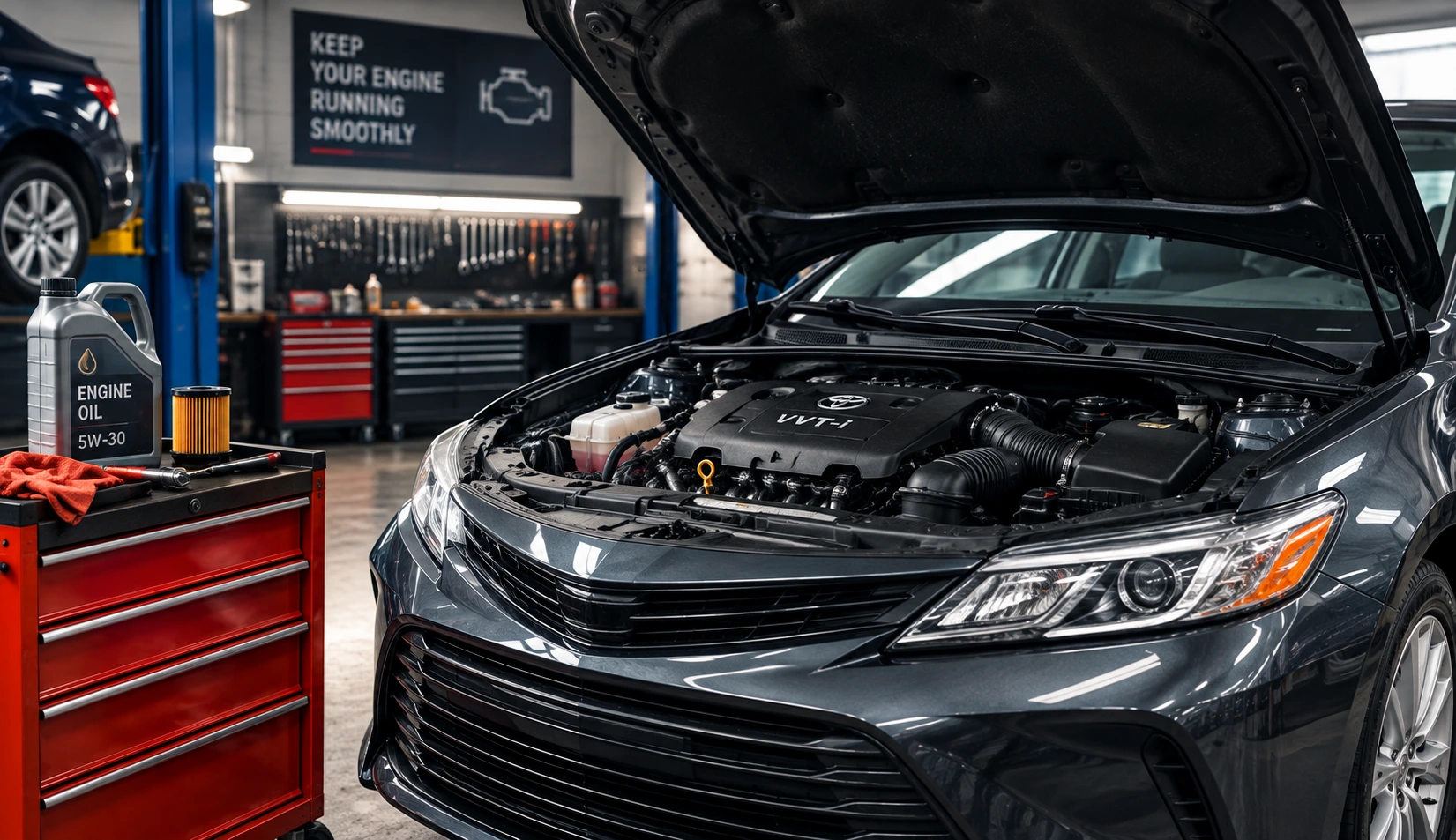
Gas Cars
Traditional gasoline cars need regular oil and filter changes, spark plug service at the recommended time, engine and cabin air filters, and the usual fluid services for coolant, brake fluid, and transmission fluid. Following the mileage and time intervals keeps the engine healthy and the rest of the car reliable.
Oil, filters, spark plugs, fluids, tires, and brakes.

Hybrid Cars
Hybrids still have a gasoline engine, so they need the same basic oil changes, filters, and fluid services. In addition, the high-voltage battery cooling system should be watched. The regenerative braking system means the regular brake pads often last longer. Software updates for the hybrid system are also important. The overall schedule is similar to a gas car with a few extra hybrid-specific items.
Engine service, battery cooling, brakes, fluids, and software updates.

Electric Cars
Electric vehicles eliminate oil changes and many traditional fluid services. The focus moves to battery health and temperature control, regular software and firmware updates, tire wear because electric cars are heavier and have strong acceleration so tires can wear faster, brake checks because pads last longer due to regenerative braking but still need looking at, cabin air filter replacement, and suspension parts. The maintenance schedule is simpler in some ways but still needs consistent attention to the remaining items.
Battery health, tires, software, brakes, cabin filter, and suspension.
Vehicle type changes the maintenance priorities. Gas, hybrid, and electric vehicles do not use exactly the same service schedule. Always check the manufacturer’s recommendations for your specific model and year.
Car Maintenance Schedule by Brand
Every brand has its own version of the schedule but the big milestones are similar across most makers. Here is a short overview. For complete details always check the owner’s manual or the maker’s official site for your exact model.
These are only quick summaries. The exact intervals and required fluids can differ by model year and engine type so the owner’s manual remains the best source.
Essential Services Included in a Maintenance Schedule
Below you will find clear explanations of the core services that appear on almost every car maintenance schedule. You will see when they are usually due and why they matter.
Oil Change Schedule
Oil and filter changes are the single most important regular service for any engine. Regular oil typically needs changing every 5,000 miles or six months. Full synthetic oil can often go 7,500 to 10,000 miles or according to the oil life monitor. Short trips, extreme temperatures, and towing all shorten the safe interval. Always use the thickness and type listed in the owner’s manual. Fresh oil protects the engine from wear and helps it run well.
Tire Rotation Schedule
Tires should be rotated every 5,000 to 8,000 miles so they wear evenly and last as long as possible. At the same time, check the pressure and look for any damage, uneven wear, or objects stuck in the tread. Even wear improves handling and fuel use and delays the need for a full set of new tires.
Brake Inspection Schedule
Have the pads, rotors, calipers, and brake fluid checked at every oil change or at least every 10,000 to 15,000 miles. Replace the pads when they reach the minimum thickness recommended by the maker. Brake fluid should be changed every two to three years or around 30,000 miles because it takes in moisture over time. Moisture lowers the boiling point and can lead to rust inside the system.
Battery Replacement Schedule
Test the battery every year once it is three years old or older. Most batteries last three to five years depending on the weather and how much electricity the car uses. Clean the terminals during regular service visits to prevent corrosion. A weak battery can leave you stuck and can also put extra strain on the charging system.
Fluid Replacement Schedule
Brake fluid, coolant, transmission fluid, and differential fluid each have their own intervals. Long-life coolant can last five years or 100,000 miles on some vehicles. Transmission fluid often needs attention between 30,000 and 60,000 miles under harder use. Always use the exact type of fluid listed in the manual. Using the wrong fluid can cause expensive damage.
Filter Replacement Schedule
The engine air filter is typically replaced every 15,000 to 30,000 miles. The cabin air filter is usually due every 15,000 to 25,000 miles or once a year. Fuel filters vary widely. Some are designed to last the life of the car while others need service around 30,000 miles. Clean filters help the engine breathe properly and keep the air inside the cabin fresh.
Intervals are not universal. Service timing can change based on the vehicle, engine, driving conditions, climate, and manufacturer’s recommendations. Always use the maintenance schedule in the owner’s manual as the final reference.
How Often Should You Service Your Car?
New cars usually follow the factory schedule or the oil life monitor closely. That often means service every 5,000 to 10,000 miles or every six to twelve months. Older cars and high mileage vehicles benefit from more frequent checks of suspension, cooling system, and seals. High mileage cars may need fluids and wear items attended to earlier than the original schedule suggested. When you are unsure, service the car based on whichever limit you reach first, miles or time, and shorten the intervals if your driving counts as severe.
Signs Your Car Is Due for Maintenance
The most reliable signs are the dashboard reminders and oil life percentage indicators, the mileage milestones listed in this guide, and any alerts or recommendations that appear in the owner’s manual. These signals are designed to keep you on schedule without guessing.
What Happens If You Skip Scheduled Maintenance?
Skipping scheduled service can void remaining warranty coverage if the maker requires proof of maintenance. Small neglected items often grow into expensive repairs. For example, ignored coolant can lead to overheating and head gasket damage. Incomplete service history lowers the car’s resale value because buyers and dealers look for proof of care. Safety related items such as brakes and tires can wear out without clear warning and increase the risk of problems on the road.
How Much Does a Car Maintenance Schedule Cost?
Costs vary by vehicle, location, and whether the work is done at a dealership or an independent shop. The table below gives a general idea of what is typically included at common intervals.
| Service Interval | Typical Maintenance |
|---|---|
| 5,000 miles | Oil change and inspection |
| 30,000 miles | Filters and system checks |
| 60,000 miles | Major service |
| 100,000 miles | Major inspection |
A routine oil change often falls in the 75 to 150 dollar range. Larger services at the 60,000 mile mark can reach several hundred dollars depending on the fluids and parts required. Staying on schedule is almost always less expensive than repairing the damage that comes from neglect.
Printable Car Maintenance Schedule Template
| Service | When |
|---|---|
| Oil Change | 5,000 to 7,500 miles |
| Tire Rotation | 5,000 to 8,000 miles |
| Air Filter | 15,000 to 30,000 miles |
| Brake Inspection | Every service |
You can print this simple table or copy it into a notebook. Write down the actual date and mileage each time you complete a service. Expand the table with extra rows for cabin filter, brake fluid, coolant, spark plugs, and any other items listed in your owner’s manual. Keeping a written record makes it easy to stay organized and provides useful history if you ever sell the car.
Conclusion
A complete car maintenance schedule is simply a practical plan that uses both mileage and time to keep your vehicle safe, reliable, and valuable. Start with the recommendations in the owner’s manual. Adjust them for the way you actually drive. Track both the odometer and the calendar. Regular attention to oil, tires, brakes, fluids, and filters prevents most of the costly surprises that appear when maintenance is delayed.
Use the intervals and the simple template in this guide as your starting point. Then personalize them for your specific make, model, and driving pattern. Consistent care over the years is what allows many cars to reach high mileage while still feeling solid and dependable. A little steady attention today pays off in fewer breakdowns, lower long term costs, and greater peace of mind whenever you get behind the wheel.
Frequently Asked Questions About Car Maintenance
These common questions explain how mileage, time, driving conditions, and manufacturer recommendations work together when planning regular car maintenance.
01 How often should a car be serviced?
Most cars need service every 5,000 to 10,000 miles or every six to twelve months, whichever comes first. Follow the owner’s manual and any oil life monitor for the most accurate guidance.
02 How often should I do car maintenance?
Simple checks can be done monthly by the owner. Professional service usually follows the mileage or time intervals in the factory schedule, with adjustments if driving conditions are severe.
03 What mileage requires major car service?
Major services commonly occur around 30,000, 60,000, and 100,000 miles when multiple filters, fluids, and inspections become due at the same time.
04 What maintenance should be done every 5,000 miles?
An oil and filter change, depending on oil type, tire rotation, fluid level checks, and a basic visual inspection are typical items at this interval.
05 What service does a car need at 60,000 miles?
Spark plugs on many engines, coolant service, battery inspection, belt and hose checks, and often transmission or brake fluid service are required at this point.
06 Is mileage or time more important for maintenance?
Both are important. Use whichever limit is reached first. Low-mileage cars still need time-based fluid and battery service. High-mileage cars need mileage-based attention to wear items.
07 What is the difference between a maintenance schedule and checklist?
A checklist is simply the list of tasks. A schedule assigns specific mileage or time intervals for when those tasks should be performed.
08 Do electric cars need the same maintenance schedule?
No. Electric cars eliminate oil changes and many fluid services, but they still require regular tire rotations, brake inspections, cabin filter changes, battery system checks, and software updates.
Remember: Maintenance intervals vary by vehicle. Always check the manufacturer’s schedule for the exact year, model, engine, and driving conditions.